How Poly Lifting fixes sunken slabs with minimal disruption
Concrete Leveling Facilitated: Expert Tips for a Smooth and Resilient Surface
Concrete leveling is a crucial task for preserving both safety and security and looks in any kind of residential property. Various elements can cause irregular surface areas, which might need different strategies for correction. Comprehending these approaches is crucial, whether one select self-leveling compounds or more advanced methods like mudjacking. As the procedure unfolds, it ends up being clear that aggressive procedures can significantly influence the durability of concrete surfaces. Discovering these strategies will certainly reveal the most reliable remedies.
Recognizing the Causes of Uneven Concrete
Irregular concrete surfaces can usually be traced back to numerous underlying reasons. One typical element is soil settlement, which occurs as the ground below the concrete shifts or compresses over time. This can arise from improper compaction during the initial setup or changes in dampness degrees. One more contributing variable is tree origins, which can expand beneath concrete slabs, pressing them upward and developing disproportion. Furthermore, freeze-thaw cycles can cause heaving, as water infiltrates cracks and broadens when frozen. Poor drainage can intensify these problems, allowing water to pool and wear down the soil below the surface area. Understanding these elements is vital for property owners seeking to remedy the unevenness and address in their concrete structures properly.
Examining the Damage: When to Level Your Concrete

Signs of Uneven Surfaces
An obvious shift in the surface of concrete can lead to different concerns, making it necessary to acknowledge the indicators that show a demand for leveling. One common indicator is the presence of cracks, which might look like tiny crevices or larger spaces. Additionally, irregular surface areas typically bring about pooling water, producing a threat during rain or snow. Home owners may likewise discover a visible incline or dip in the concrete, influencing aesthetic appeals and functionality. When walking on the surface area; hollow or resembling sounds can indicate spaces below, an additional sign is the noise created - Concrete Leveling. Normal assessment for these signs can aid prevent additionally damage, making sure a secure and safe concrete surface area for several years to come
Effect On Security Issues
Concrete surfaces that exhibit signs of damages can posture considerable safety threats to individuals and property. Cracks, unevenness, and resolving can cause tripping risks, impacting pedestrian safety and security and enhancing the probability of accidents. Additionally, jeopardized surfaces may cause further architectural damage, which can rise repair service expenses and affect residential property value. Determining when to level concrete is crucial; home owners should keep an eye on for noticeable wear and tear, such as huge cracks or recognizable inclines. Prompt interventions and regular evaluations can reduce dangers, making certain a secure environment for both visitors and homeowners. Proactively resolving these issues not just boosts safety but likewise prolongs the life of the concrete, offering a smooth and resilient surface for numerous applications.
Devices and Products Needed for Concrete Leveling
When preparing for concrete leveling, understanding the necessary devices and products is crucial. A detailed list of needed products warranties that the procedure runs smoothly and efficiently. This section will lay out the trick tools and materials needed for successful concrete leveling.
Important Tools Overview
Successful concrete leveling needs a variety of essential devices and materials that assure accuracy and effectiveness. Key tools consist of a concrete float, which smooths the surface area; a screed board, utilized to level the concrete; and a trowel for finishing sides. A degree is essential for guaranteeing an also surface, while a concrete mixer is needed for preparing the mix. In addition, a wheelbarrow help in transporting products, and safety and security gear, like gloves and safety glasses, safeguards the employee during the process. For larger jobs, a concrete pump may be required to provide the mix effectively. Having these devices available permits for a structured leveling process, guaranteeing a smooth and resilient surface that satisfies project demands.
Required Materials Checklist
An extensive products checklist is vital for any individual taking on a concrete leveling task. Key things consist of leveling compound, which fills up in low places, and a blending bucket for prep work. A trowel is essential for smooth application, while a float aids achieve an even finish. Furthermore, a straight side or level is very important to ensure precision during the leveling process. For security, gloves and security goggles ought to be included. A concrete mixer may be valuable for larger tasks, while a broom works for surface area prep work. Ultimately, a wet towel aids in cleansing devices post-project. Gathering these materials beforehand will certainly streamline the leveling procedure and contribute to a successful end result.
Step-by-Step Overview to Leveling Your Concrete
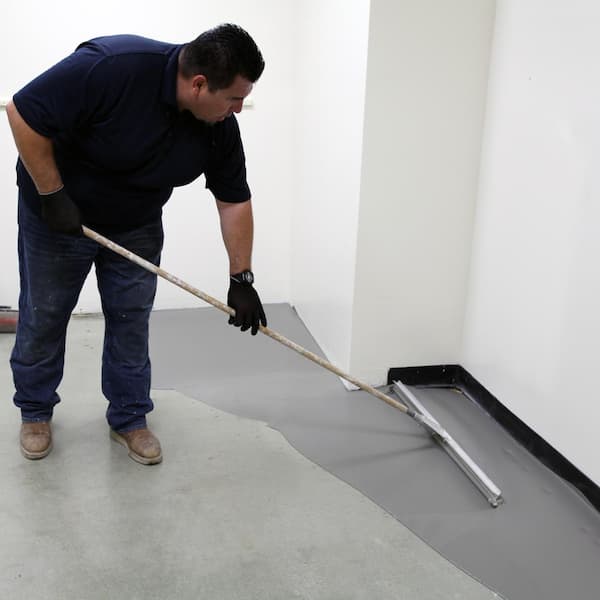
Concrete leveling needs a systematic approach to guarantee a smooth, also surface area. Initially, the area must be completely cleaned up, getting rid of all debris and loosened material. Next off, evaluate the concrete for fractures or damages and repair them appropriately. Once the surface is prepped, note the locations requiring leveling, making use of a chalk line for accuracy. Mix the selected leveling substance according to the manufacturer's directions, guaranteeing correct consistency. Pour the substance onto the reduced areas, spreading it evenly with a trowel. Allow the substance to clear up and treat as directed, preventing foot traffic during this duration. Check the surface area for consistency using a degree tool, making any kind of required modifications before securing the concrete to secure it from future wear.
Picking the Right Leveling Technique: Mudjacking vs. Polyurethane
Picking the suitable leveling approach is necessary to achieving durable results. 2 common methods are mudjacking and polyurethane foam shot. Mudjacking involves pumping a cement-based blend beneath the concrete slab to raise it back to its initial position. This technique is appropriate and often affordable for bigger tasks but can be content larger and more time-consuming. In comparison, polyurethane foam shot makes use of lightweight foam to raise and support the concrete. This method uses faster curing times and very little interruption yet may come with a greater price. Ultimately, the choice between mudjacking and polyurethane depends upon details project needs, including budget plan, soil conditions, and the size of the location calling for leveling, making sure resilient and effective options for irregular surface areas.
Preventative Actions to Avoid Future Uneven Surface Areas
Numerous homeowners overlook preventative measures that can help keep a degree surface area with time. Routinely examining the concrete for fissures and splits is essential, as very early discovery can protect against extra significant problems. Guaranteeing proper drain around the home is likewise important; water pooling near concrete can bring about disintegration and settling. House owners must think about using landscape design methods, such as sloping soil far from concrete surface areas, to additionally reduce water-related damages. Furthermore, applying a high-quality sealer can secure against dampness infiltration and freeze-thaw cycles. Staying clear of extreme weight on concrete surfaces, particularly during building or renovation, can stop premature settling. By carrying out these steps, homeowners can considerably reduce the danger of future irregular surfaces
Preserving Your Concrete for Longevity and Sturdiness
Regular maintenance plays a crucial role in making sure the long life and resilience of concrete surface areas. To achieve this, routine cleansing is essential; debris, dust, and stains must be gotten rid of promptly to stop damage. Additionally, sealing the concrete every couple of years creates a protective barrier versus dampness and harmful chemicals. Examining for fractures or damages is vital, as timely repair work can stop additional damage. Using a resurfacer can also restore the appearance and performance of worn surface areas. In addition, taking care of water drainage and avoiding heavy loads can noticeably lower stress and anxiety on the concrete. By complying with these maintenance techniques, homeowner can prolong the life of their concrete surface areas, ensuring they continue to be both practical and aesthetically appealing for years to come.
Frequently Asked Concerns
For How Long Does Concrete Leveling Generally Take to Complete?
Concrete leveling typically takes between one to three hours for smaller sized locations, while larger projects might call for a number of days. Elements influencing period consist of the size of the area, method utilized, and weather problems.
Can I Level Concrete Myself, or Should I Employ an Expert?

What Weather Are Ideal for Concrete Leveling?
Perfect climate condition for concrete leveling include light temperatures in between 50 ° F and 85 ° F, with low humidity and marginal wind (Concrete Leveling Des Moines). These variables assist assure appropriate curing and adherence, decreasing the threat of fractures and variances
Is It Safe to Walk on Leveled Concrete Quickly After Application?
Walking on leveled concrete immediately after application is usually not safe (Poly Lifting). It needs time to heal correctly, and premature foot website traffic can damage the surface, bring about imperfections and a lowered lifespan of the leveling material
Just How Much Does Concrete Leveling Usually Expense?
Concrete leveling commonly costs between $3 to $25 per square foot, relying on factors like the extent of leveling required, the technique made use of, and local pricing variations. Home owners should obtain multiple quotes for precise price quotes.
Reviewing the damage to concrete surfaces is necessary for keeping safety and security. A noticeable change in the surface of concrete can lead to various problems, making it necessary to identify the indicators that suggest a demand for leveling. Trick tools include a concrete float, which smooths the surface; a screed board, used to level the concrete; and a trowel for finishing edges. A level is essential for ensuring an even surface area, while a concrete mixer is necessary for preparing the mix. Concrete Leveling Des Moines. Concrete leveling requires a methodical method to ensure a smooth, also surface area